


Banda Aceh News | BANDA ACEH — The official designation of patchouli oil (minyak nilam) as a featured commodity under Indonesia’s Warehouse Receipt System (Sistem Resi Gudang / SRG) via a decree by the Ministry of Trade marks a foundational milestone in reforming the national essential oil trade. However, fully operationalizing the policy demands extensive ground preparations, ranging from warehouse standardization and human resource training to financing channels and global market expansion.
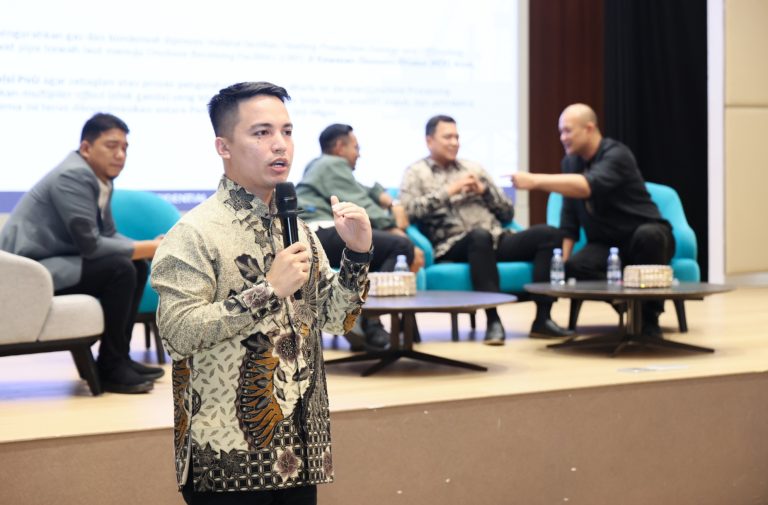
Head of the Atsiri Research Center (ARC) at Universitas Syiah Kuala (USK), Syaifullah Muhammad, stated that multi-stakeholder action plans are already underway to ensure the regulatory framework translates effectively into field execution.
According to Syaifullah, comprehensive public socialization remains a critical first step to ensure all supply chain actors—including farmers, distillers, cooperatives, private enterprises, banking institutions, and government bodies—fully understand the mechanics and financial advantages of the SRG system.
“The inclusion of patchouli oil in the Warehouse Receipt System must be promptly backed by complete stakeholder readiness. Massive socialization efforts are imperative so that farmers, distillers, cooperatives, corporations, and financial institutions understand the operational mechanics,” Syaifullah explained on Sunday, November 8, 2026.
Standardizing Warehouses and Upskilling Operators
Beyond educational outreach, preparations focus heavily on specialized workshops and training programs for prospective warehouse managers. The objective is to establish a certified workforce skilled in compliance protocols, volume management, and administrative tracking required by SRG laws.
Infrastructure certification is equally central to the rollout. Facilities dedicated to patchouli oil storage must undergo rigorous technical assessments to meet strict quality and security benchmarks mandated under national warehouse receipt standards.

“Managing an SRG ecosystem requires facilities that meet strict technical benchmarks alongside highly competent human resources. Standardizing storage facilities and upskilling prospective operators form a vital part of this preparatory stage,” he added.
Financing Access and Global Market Penetration
On the financial front, key industry partners are scheduling structured business-matching sessions between SRG warehouse operators and commercial banking institutions. These meetings aim to establish streamlined liquidity mechanisms, enabling patchouli farmers and traders to leverage warehouse receipts for working capital loans.
Following initial preparations, pilot projects and operational trial runs are set to launch across major patchouli production hubs in Aceh.
Alongside infrastructure and financial channels, expanding market penetration remains a top priority. Strategic collaborations with national and international market players will be strengthened to ensure guaranteed absorption of patchouli oil processed through the SRG mechanism.
Syaifullah expressed optimism that these synchronized efforts will accelerate the patchouli SRG ecosystem. Ultimately, the policy aims not only to stabilize regional trading structures but also to elevate Indonesia’s bargaining power in the global essential oils market while offering inclusive financial access across the entire supply chain.